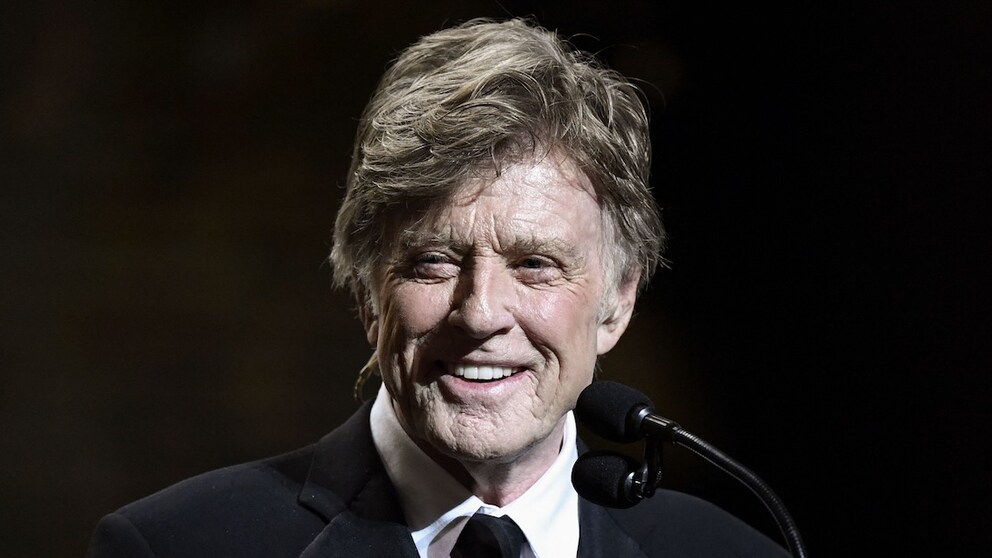
I’m really sad to hear we’ve lost Robert Redford. He died today, 16 September 2025, at home in Sundance, Utah, aged 89. There’s no official cause yet, but it’s hard not to feel the weight of it. Redford wasn’t just a film star—he was one of those rare people who managed to be massively famous and still feel like he was quietly steering the entire film industry from behind the scenes.

Born in Santa Monica in 1936, he started out as a bit of a tearaway, drifting through a few schools and getting kicked out of college in Colorado before landing at art school in Brooklyn. He was a decent painter, but acting pulled him in—first stage, then TV, then films. The early stuff—Barefoot in the Park, Inside Daisy Clover—showed off the looks, but it wasn’t until Butch Cassidy and the Sundance Kid in 1969 that everything clicked. He and Paul Newman had the kind of chemistry you just can’t fake, and it set him up as the thinking person’s pin-up: sharp, dry, self-aware, and quietly funny.
He followed it with The Sting in ’73, another hit with Newman, and then All the President’s Men (1976), playing Bob Woodward in a film that became a kind of template for how journalism movies should be done. By the late ’70s, he could have carried on just being the handsome guy with the squint and the soft drawl, but that clearly wasn’t enough for him. He wanted to make films, not just act in them.
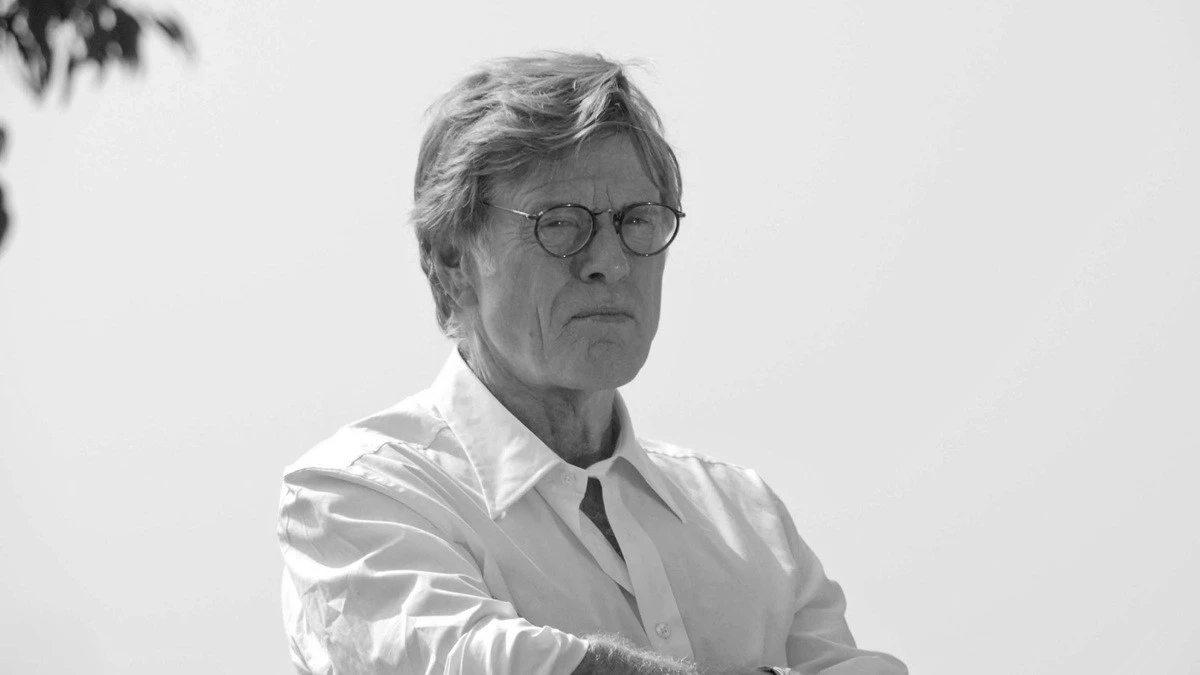
So in 1980 he directed Ordinary People, a pretty small, emotionally bruising family drama—and won the Best Director Oscar for it. Straight out of the gate. Most people might’ve taken that as their one-and-done moment. Redford just carried on. A River Runs Through It, Quiz Show, The Horse Whisperer—all well-made, slightly melancholy, often beautifully shot films that didn’t shout too loudly, but stayed with you.
At the same time, he was building something else: the Sundance Institute, and eventually the Sundance Film Festival. That’s probably the part of his career younger generations know him for. He created a space for American indie cinema to breathe, well before it became cool. Soderbergh, Tarantino, the Coens, Kelly Reichardt, Debra Granik—most of them passed through Sundance early on. It was Redford who gave them a foothold. Not by throwing money at them, but by backing a structure that trusted writers, directors and their stories—no matter how quiet, strange or low-budget they were.
He kept acting, though—just more selectively. One of the most impressive things he did later in life was All Is Lost (2013), where he’s alone on a sinking boat for nearly two hours and barely says a word. It’s just Redford versus the ocean, and somehow you don’t miss the dialogue. Then came The Old Man & the Gun in 2018, a sly farewell role if ever there was one—playing an ageing, oddly likeable bank robber with a twinkle in his eye. He said that was it for acting, and for once, he meant it.
Offscreen, he stayed consistent. He was political, but not performatively. A long-time environmentalist, he was fighting for conservation before it became fashionable. He wasn’t afraid to call out Trump-era nonsense, but never in a finger-wagging way. In 2016, Barack Obama awarded him the Presidential Medal of Freedom. You got the sense Redford didn’t much care for medals, but it felt like a quiet, decent match—one principled man recognising another.
Family meant a lot to him, though he didn’t talk about it much. His marriage to artist Sibylle Szaggars was low-profile, and the loss of his son James in 2020 was something he kept private, but carried with grace. That was always part of his appeal—he didn’t make a performance out of being grounded; he just was.
There aren’t many people who’ve done what he did. Starred in era-defining films, directed serious, thoughtful work, built a festival that changed the direction of American cinema—and stayed basically unspoilt. No scandals. No reinventions. Just steady, intelligent choices, decade after decade. You always got the feeling he took the work seriously, but never himself.
Redford didn’t talk much about legacy, but if he had, he probably would’ve pointed to the films he helped others make more than the ones he starred in. That’s the thing—not many actors could headline a studio film one minute and nurture no-budget filmmakers the next, without making it all about them.
So if you’ve got a couple of hours tonight, put something of his on. All Is Lost if you’re up for something spare and quietly brilliant. Or go back to Butch Cassidy, and remember just how many people tried to copy that charm and failed. Redford didn’t push it. He didn’t have to.