

The film opens with a familiar sense of energy, but there’s maturity beneath the humor this time. The Bellas have grown, scattered into adult lives shaped by careers, relationships, and unfinished dreams. Their reunion feels less like nostalgia and more like unfinished business — a chance to rediscover what music once gave them.
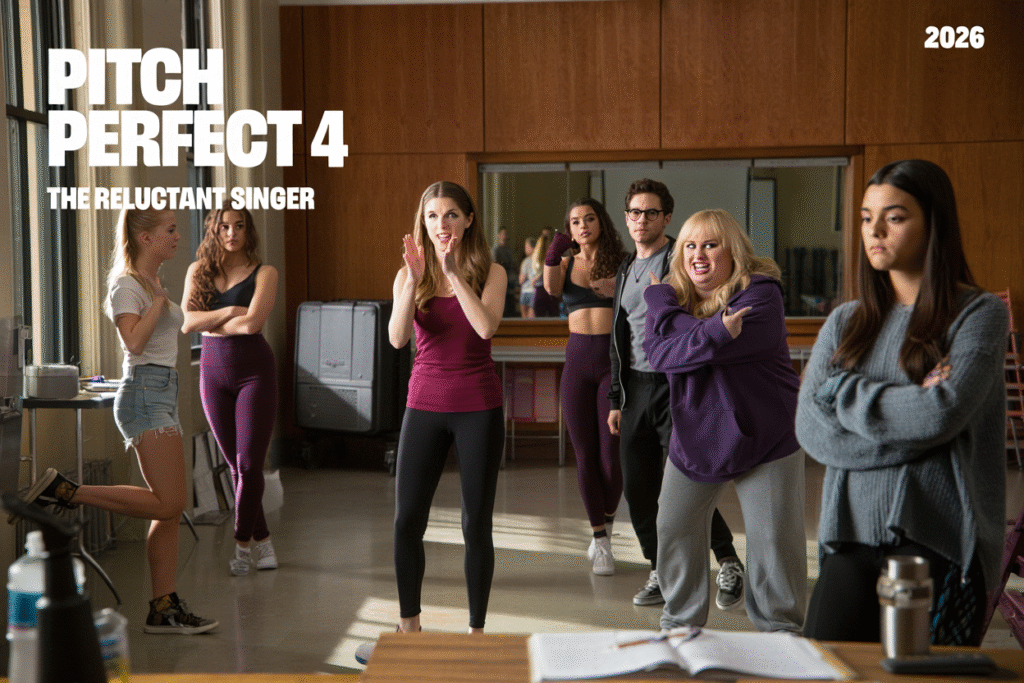
Rebel Wilson’s Fat Amy remains the film’s comedic tornado, injecting chaos into every rehearsal and scene she enters. But beneath the outrageous humor, the character also serves an important purpose: she reminds the others that fear often dissolves when laughter enters the room. Wilson once again balances absurdity with surprising warmth.
At the center of the story is the new reluctant singer — a gifted but withdrawn talent who doesn’t believe they deserve a place among voices so bold. This character becomes the film’s emotional mirror, reflecting insecurities that many viewers understand: fear of judgment, fear of failure, and the deeper fear of being truly seen.

What makes the narrative work is that the Bellas don’t simply “fix” this person through montage and encouragement. Instead, the film shows trust building gradually. Shared rehearsals, awkward setbacks, emotional honesty, and small victories become the path forward. It’s less about transformation and more about permission — permission to try, to fail, and to be heard anyway.
Musically, the film delivers exactly what fans hope for. The mashups are energetic, polished, and joyfully theatrical, but they also carry more emotional intention this time. Songs become conversations, confessions, and moments of healing rather than just performances meant to impress judges.
The humor remains sharp and playful, preserving the franchise’s identity. Yet the comedy no longer overshadows the heart. Instead, it complements it, allowing scenes to feel fun without becoming weightless. That balance is one of the film’s greatest strengths.

Visually, the performances are staged with confidence and color, but the quieter moments matter just as much: empty rehearsal rooms, hesitant first notes, the silence before applause. The film recognizes that music is powerful not only when it fills a stadium, but when it breaks through a single person’s fear.
By the final act, the emotional payoff lands because it has been earned. When the hidden voice finally rises, it isn’t just a vocal triumph — it’s an identity reclaimed. The audience isn’t cheering for technical perfection; they’re cheering for courage.
Pitch Perfect 4: The Reluctant Singer may be one of the franchise’s most heartfelt entries. It reminds us that talent alone is never the full story. Sometimes the greatest challenge is not hitting the note — it’s believing you have the right to sing it in the first place.