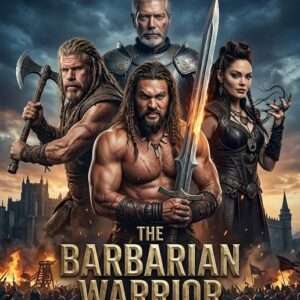
The sequel opens like a drumline in a storm—ash in the air, steel in the eyes, purpose in every footfall. Viola Davis returns with flinty grace; one glance from her and a battalion stands straighter. The film wastes no time reminding you: this is a world where courage is currency, and everyone’s paying.

Lashana Lynch is the spark plug—rowdy, strategic, and lethal with a grin. She turns training montages into character beats, folding jokes into bruises. Thuso Mbedu’s arc blossoms from apprentice to architect; she carries new scars and new authority, choosing when to lead with compassion and when to cut.

Action is muscular and legible: wide frames, crisp edits, and fights that tell stories. A cliffside ambush plays like a chess problem solved at blade-point; a night raid stitched with firelight lets silhouettes do the talking. You feel the weight of every shield, the grind of every parry.

Between battles, the film breathes. Council scenes crackle with politics and pride, friendships flex under pressure, and a quiet ceremony under star-salted skies lands like a prayer. The score fuses skin drums and strings into a heartbeat that never quite lets you sit back down.

Bottom line: fierce, focused, and soulful. It doubles the scale without losing the pulse, giving Davis, Lynch, and Mbedu space to own the screen and the story. If the first film crowned warriors, this one crowns a legacy—and it fits.