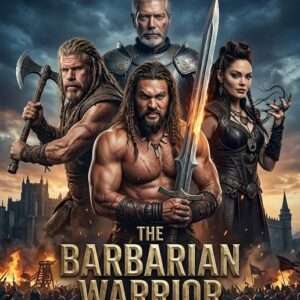
Haunted by visions and driven by duty, Theseus embarks on a perilous journey into the cursed lands—realms abandoned by the gods and twisted by centuries of divine neglect. There, he uncovers the truth behind the fall of the immortals: Olympus is fractured, its throne contested by old powers far older than Zeus himself. With a new pantheon rising from the shadows, the war is no longer between gods and men, but between immortality and oblivion.

Joined by a band of warriors, demigods, and seers, Theseus must confront enemies both physical and spiritual. His former glory means nothing in the face of cursed beasts, shifting realms, and divine betrayal. The battles are brutal, choreographed with slow-motion elegance and soaked in gold-lit dust and blood. Each step brings him closer to the heart of Olympus, where the legacy of the gods hides a terrifying secret: their immortality comes at a cost, and humanity has always been the price.

Ares, portrayed with intense fury and tragic depth, serves as the perfect counter to Theseus’s weary honor. Their confrontation is as much about ideology as it is about power—Ares seeks a world ruled by strength alone, where gods take what they will. Theseus, however, believes sacrifice defines true greatness, even for those who cannot die.
As war erupts in the skies and the earth crumbles beneath divine wrath, Theseus makes a final stand not to protect Olympus, but to protect the idea of hope. In the end, victory does not mean survival—it means remembrance. The film closes with a broken crown, a silent sky, and a question lingering in the ruins: when gods fall, who will rise?