THE QUIET RIVER (2026)
Genre: Psychological Drama / Tragedy / Modern Western
Starring: Matthew McConaughey • Kelly Reilly
The Quiet River (2026) is a haunting modern western that drifts slowly through themes of grief, memory, and the devastating power of unspoken truth. Set against a stark, drought-stricken landscape, the film unfolds with a restrained, elegiac tone, allowing silence and space to carry as much meaning as dialogue. Nature is not merely a backdrop but a living presence—patient, watchful, and ultimately unforgiving—mirroring the emotional terrain of the characters who remain trapped within it.

Matthew McConaughey delivers a deeply internalized performance as Evan Cole, a former river warden who has retreated from human connection after the accidental drowning of his young son. Evan lives alone near the river he once protected, moving through his days with ritualistic precision, as if discipline can hold chaos at bay. The river, once a source of purpose and peace, has become both refuge and punishment—a place where time feels suspended, yet sorrow continues to deepen with every passing season.


Kelly Reilly is quietly devastating as Margaret Cole, Evan’s estranged wife, who returns after years of absence with the intention of selling the riverside land. Her arrival disrupts Evan’s fragile equilibrium, reopening wounds neither of them has allowed to heal. Margaret carries her grief differently—more outward, edged with bitterness and unresolved anger—but beneath her resolve lies the same crushing guilt and longing that binds her to Evan despite their separation.
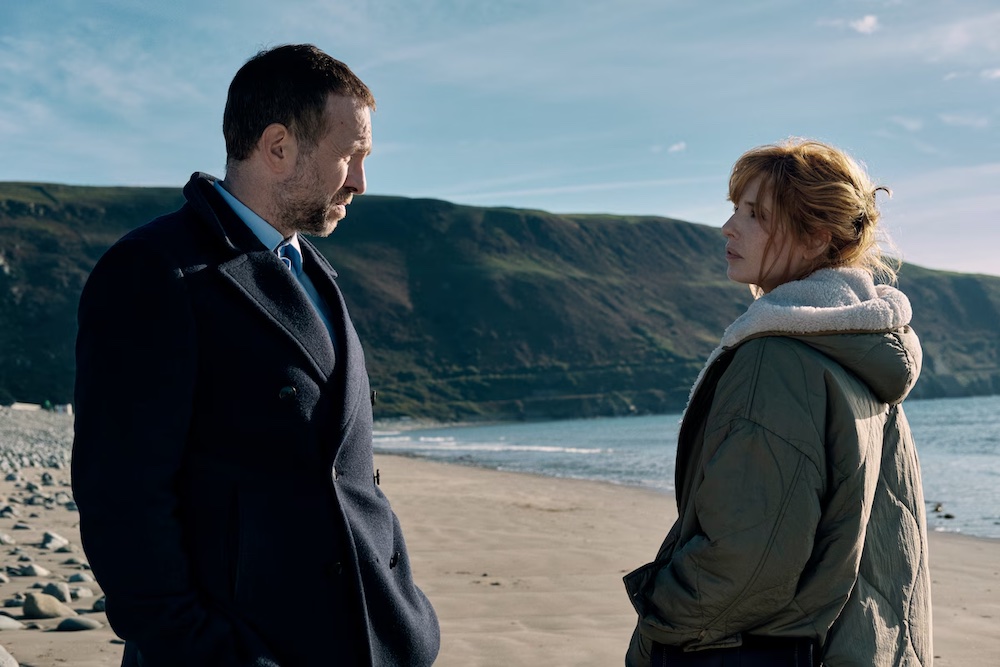
As an unrelenting drought drains the river, the film’s central metaphor comes fully into focus. With the water receding, objects long hidden beneath the riverbed begin to surface—physical remnants that echo emotional truths both characters have buried. What initially appears to be a natural crisis becomes a reckoning, forcing Evan and Margaret to confront the full reality of what happened the day their son died, and the quiet deceptions, self-blame, and silences that ultimately shattered their marriage.
The film unfolds with minimal exposition, trusting performance, atmosphere, and landscape to tell its story. Long takes, muted colors, and the vast emptiness of the terrain emphasize isolation and emotional paralysis. Violence is absent, yet tension remains constant—born from restraint, from words left unsaid, and from the unbearable closeness of two people who share the same grief but cannot agree on how to survive it.
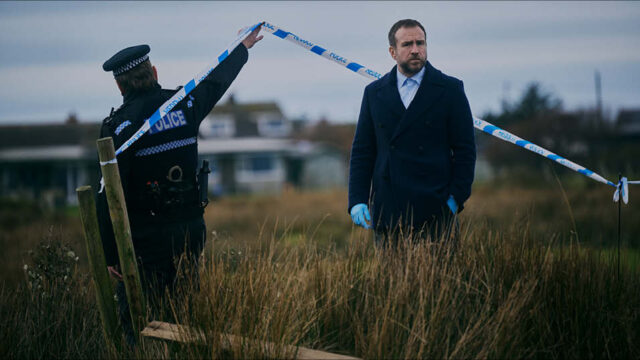
In its final movement, The Quiet River offers no easy absolution. Healing, if it exists at all, is portrayed as fragile and incomplete. The film closes on a note of somber clarity: some wounds do not fade with time—they wait. Quietly. Like the river itself.