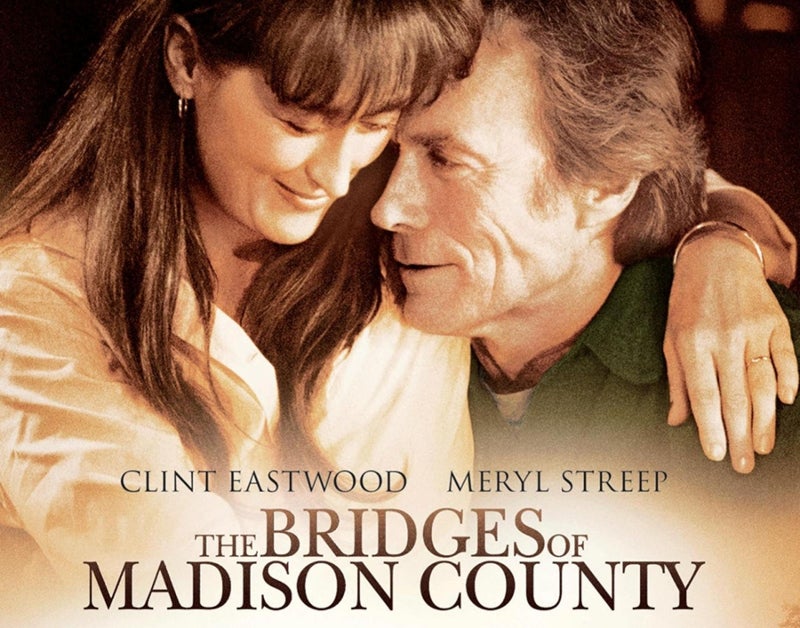
The Bridges of Madison County 2: A Christmas Promise (2025) is a sweeping, intimate, and achingly beautiful epilogue to the 1995 classic. Directed by Clint Eastwood and produced in collaboration with Meryl Streep and the Waller family estate, the film returns to the rolling fields and covered bridges of Winterset, Iowa — this time with a multigenerational story about love that lingers like a ghost, memory that becomes a compass, and the promise that some connections never truly fade. Blending nostalgia with emotional discovery, the sequel honors the quiet tragedy of the original while offering a gentle, luminous message of hope.
Set in the early 2000s, nearly 40 years after Francesca Johnson’s death, the story follows Caroline and Michael, Francesca’s now-grown children. Caroline (played by Amy Adams), recently widowed and struggling with loneliness, returns to the family farmhouse to settle her mother’s final belongings before selling the property. Michael (Kyle Chandler), dealing with a failing marriage and midlife regret, joins her reluctantly. Both siblings feel adrift — but neither expects what awaits them in their mother’s attic: a locked chest containing Robert Kincaid’s final journal, a sealed letter addressed to Francesca, and a photograph taken the night they said goodbye at the bridge. These artifacts ignite unresolved questions — and stir the ache of a love story they never fully understood.

As winter descends on Madison County, the siblings begin reading Robert’s journal by the fire, discovering the chapters he wrote in the last decade of his life. His words reveal that he returned to Winterset once more — the Christmas of 1983 — hoping simply to glimpse Francesca from afar, to see if the light in her farmhouse still glowed. Interspersed throughout the film are poetic, bittersweet flashbacks of Robert (Clint Eastwood, in a deeply restrained, reflective performance enhanced by careful de-aging) traveling through snow-covered landscapes, wrestling with the truth that his greatest love was also the great heartache of his life.
Caroline, drawn into the story with unexpected intensity, begins to question the choices she made in her own marriage. Michael, once resentful of the affair that fractured their childhood image of family, starts to understand the depth of sacrifice that his mother carried in silence. Through Robert’s writing, they meet Francesca not as “Mom,” but as a woman — passionate, conflicted, brave, and heartbreakingly human. The siblings take a journey of their own through the covered bridges, retracing the steps of the lovers, and slowly, their own relationship transforms — from rivalry and misunderstanding to empathy and forgiveness.
A central new character emerges when Caroline finds an elderly woman living quietly near Roseman Bridge: Lena Harrington (Frances McDormand), a former neighbor who reveals that she saw Francesca on that fateful night in 1965 — standing in the rain, holding the door handle of her truck, watching Robert drive away. Lena becomes a guiding force, helping Caroline and Michael recognize that love, even when denied, can shape a life with extraordinary tenderness. Her scenes offer some of the film’s most profound reflections: on aging, regret, and the courage to let someone go because staying would break the world you’ve built.
The film’s emotional center arrives when the siblings discover a Christmas ornament tucked into Robert’s journal — the wooden star Francesca once carved for him. Attached is a final note: “Some promises aren’t spoken. They’re kept in the way we remember.” This revelation inspires Caroline and Michael to fulfill Robert’s unspoken wish: to reunite his ashes with the bridge where he and Francesca shared their final, rain-soaked embrace. On Christmas Eve, under falling snow and lantern light, they scatter Robert’s ashes beneath the beams of Roseman Bridge — a quiet, sacred act that finally completes the story their mother never could.
The film’s ending is its most breathtaking moment. As Caroline turns to leave, she glimpses something impossible: the faint outline of Francesca and Robert dancing slowly beneath the bridge light, illuminated by snowfall, the moment dissolving like breath on winter air. Whether memory, imagination, or miracle, the vision brings Caroline to tears — and to peace. She decides not to sell the farm, choosing instead to restore it as a sanctuary for artists and travelers. Michael returns to his wife determined to rebuild his marriage with honesty. The final scene shows the farmhouse glowing warmly on Christmas night, the wind whistling gently across the fields, as Francesca’s voice speaks the last line: “I kept my promise, Robert. I carried our love in the quiet — and now, it’s free.”
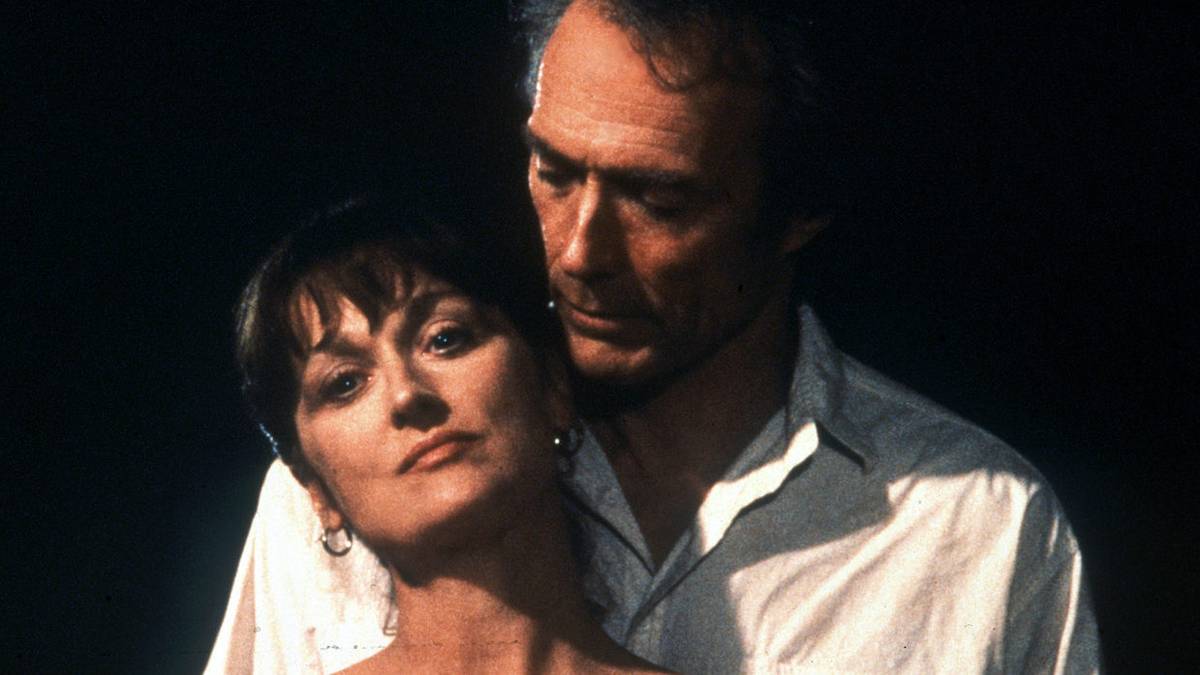
The Bridges of Madison County 2: A Christmas Promise (2025) is a rare kind of sequel — quiet, soulful, and deeply respectful of its source. It offers closure not by rewriting the past, but by honoring it. A film about enduring love, forgiveness, and the bridges we build across time, it ends on a note that feels like a prayer whispered into winter: some loves don’t end — they echo.