Anne Hathaway is mesmerizing as Nellie, the soon-to-be bride whose elegance masks something deeply unsettling. At first glance, she seems like the perfect replacement—poised, charming, and untouchable. But Hathaway layers her performance with subtle cracks: lingering glances, carefully chosen words, and a sense that she knows far more than she lets on.
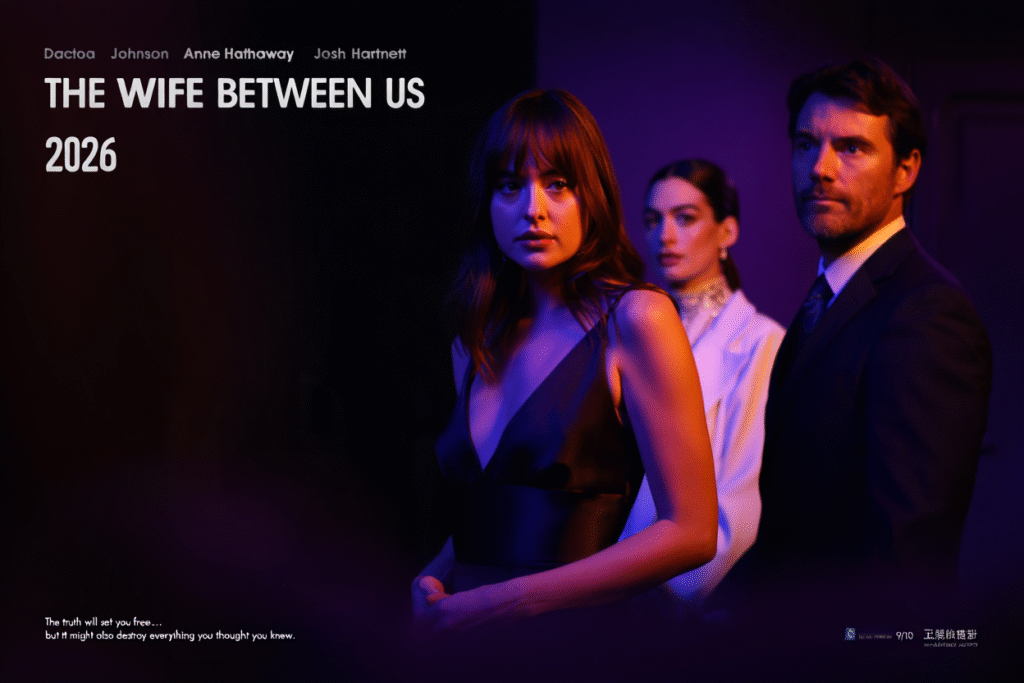
Josh Hartnett’s Richard sits at the center of this emotional triangle like a beautifully polished lie. Calm, successful, and outwardly reasonable, his presence feels controlled to the point of discomfort. Hartnett plays him with quiet menace, making it increasingly unclear whether he is a victim of two unstable women—or the architect of their shared torment.
The pacing is deliberate, almost claustrophobic. Long silences, intimate close-ups, and carefully framed interiors mirror the characters’ psychological confinement. Every conversation feels like a chess move, every smile a potential threat. The tension doesn’t rely on jump scares—it thrives on implication.
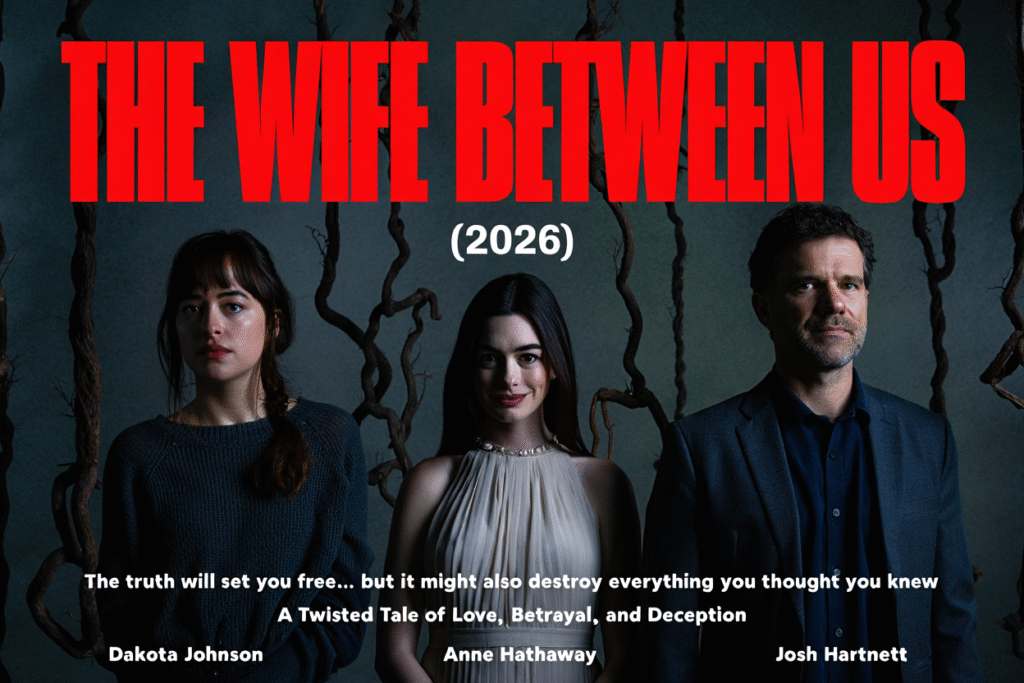
The screenplay excels in its exploration of emotional manipulation and gaslighting. It asks uncomfortable questions about control within relationships and how easily love can be twisted into something suffocating. The film suggests that obsession doesn’t always announce itself loudly—sometimes it disguises itself as concern, devotion, or protection.
As secrets begin to surface, the story takes bold narrative risks. Revelations don’t arrive neatly; they collide, overlap, and contradict one another. The line between memory and reality blurs, forcing both Vanessa and the audience to question what has been constructed—and what has been erased.
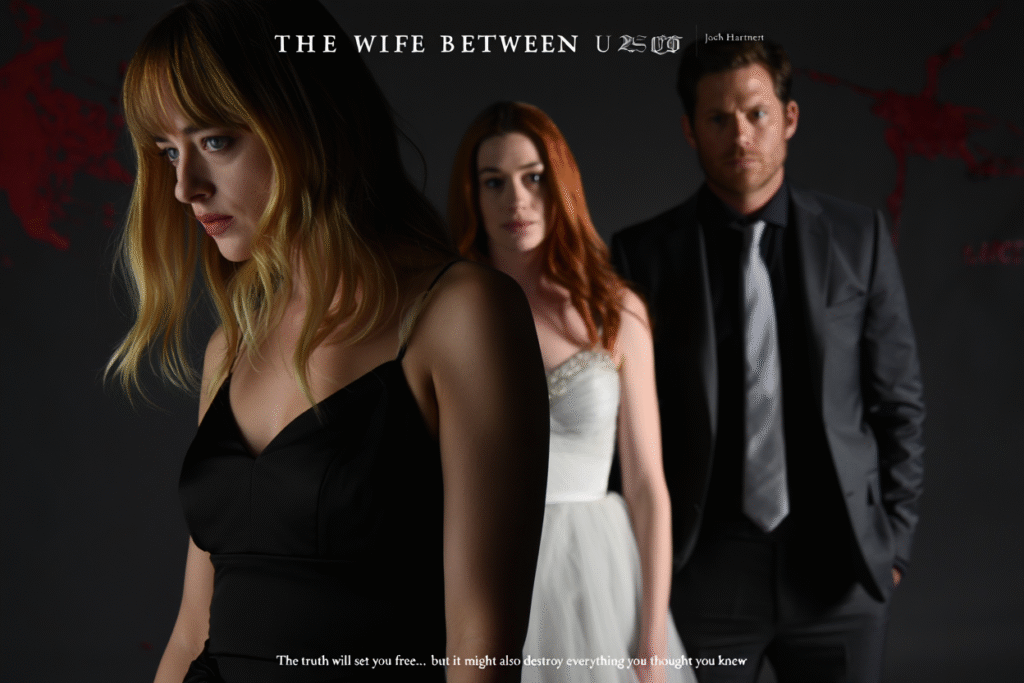
The final act is ruthless in its emotional payoff. Rather than offering comfort or clarity, the film leans into discomfort, leaving viewers with lingering questions about accountability, survival, and the cost of truth. The ending doesn’t tie everything in a bow—it cuts cleanly and leaves a scar.