In 2016, cinematic world was treated to the epic adventure film “The Legend of Tarzan.” This movie, directed by David Yates, revitalized the classic tale of the man raised by apes in the African jungle. The film follows the story of Tarzan, played by Alexander Skarsgård, who has acclimated to life in London as John Clayton III, Lord Greystoke, along with his beloved wife Jane, portrayed by Margot Robbie.

Despite leaving his roots in the jungle behind, Tarzan is summoned back to the Congo under false pretenses. Unbeknownst to him, he becomes entangled in a sinister plot hatched by the treacherous Captain Leon Rom, played by Christoph Waltz. As the narrative unfolds, viewers are taken on a thrilling ride filled with action, suspense, and heart-pounding moments.
One of the most striking aspects of “The Legend of Tarzan” is its breathtaking visuals and stunning cinematography. The lush landscapes of the African jungle come to life on the screen, immersing the audience in Tarzan’s world. From the swinging vines to the towering waterfalls, every frame is a visual treat that underscores the beauty and danger of the untamed wilderness.
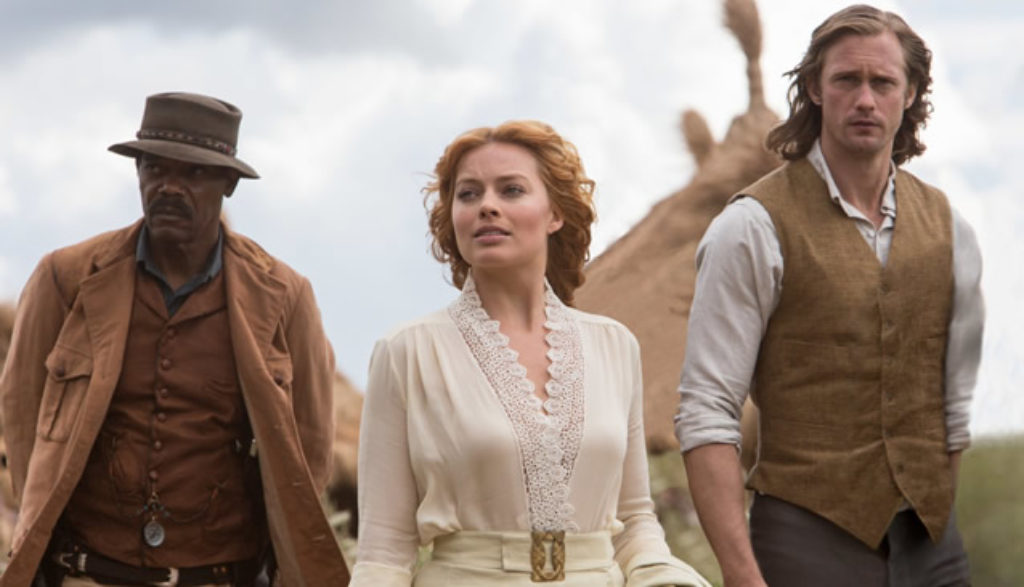
In addition to its visual prowess, the film boasts a stellar cast that brings depth and emotion to the characters. Skarsgård delivers a compelling performance as Tarzan, capturing both the strength and vulnerability of the iconic character. Robbie shines as Jane, portraying her as a fiercely independent and resourceful heroine. Waltz, known for his villainous roles, is suitably menacing as the manipulative Rom, adding an extra layer of tension to the story.
Beyond its exciting action sequences and top-notch performances, “The Legend of Tarzan” also delves into themes of identity, family, and the clash between civilization and nature. Through Tarzan’s journey, the film explores his struggle to reconcile his past with his present and the choices that define him as a hero.